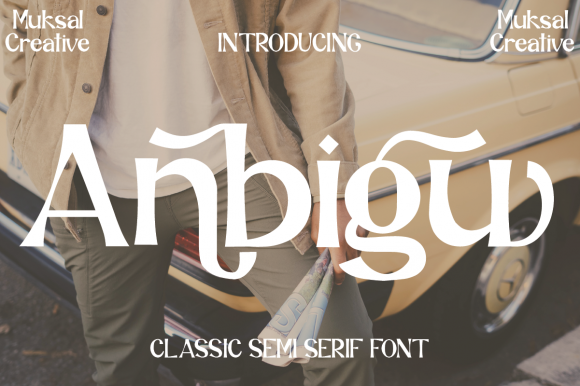
Anbigu: A Trendy Display Font for Bold Branding
There’s something about opening a blank brand board that feels like standing at the edge of a creative cliff. You know the drop is worth it, but you need the right tool to make the leap. That’s when I reached for Anbigu, a cool, trendy and distinct display font that promised to bring some serious style to my latest project—a rebrand for a boutique skincare line. And let me tell you, Anbigu didn’t just meet expectations; it exceeded them.
Anbigu for Skincare Packaging and Modern Branding
Anbigu has this unique energy—like it’s whispering confidence into every curve and angle. When I first placed it on a product label mockup, the design immediately felt more premium, more intentional. The letters have a slight slant that gives them a modern edge, perfect for a skincare brand aiming to feel both luxurious and approachable. It’s not just a font; it’s a visual statement.
I tested it against a few other display fonts, and while they had their moments, none quite matched Anbigu’s ability to blend trendiness with readability. Even in smaller sizes, the details held up, which is rare for a display font. This makes Anbigu ideal for packaging, where space is limited but impact is everything.
Anbigu in Logo Design and Brand Identity
The logo concept was simple: a minimalist emblem with a strong typographic anchor. I used Anbigu as the main typeface for the brand name, and it worked like magic. The font’s distinctiveness helped the logo stand out without feeling over-the-top. It gave the brand an air of sophistication that resonated well with the target audience—those who value clean, modern aesthetics.
What I loved most was how Anbigu played with negative space. Each letter had a subtle rhythm that made the brand name feel dynamic, almost like it was moving. It’s the kind of detail that makes a logo memorable. For any designer working on a brand identity system, Anbigu can be a game-changer when used as a headline or accent typeface.
Anbigu for Social Media Graphics and Web Design
When it came time to build the social media assets, Anbigu proved itself once again. I used it for Instagram posts, website headers, and even a hero section on the brand’s landing page. The font’s versatility shone through—whether it was paired with a serif font for contrast or left alone for maximum impact, Anbigu always brought a fresh, contemporary feel to the visuals.
On the web, Anbigu loaded quickly and rendered beautifully across different devices. It’s clear that the font was optimized for digital use, which is a huge plus for anyone looking to integrate it into their online presence. The PUA encoding also made it easy to access special characters and alternates, giving me more creative freedom during the design process.
Anbigu in Business Cards and Printed Materials
I even tested Anbigu on a business card mockup, and the result was nothing short of impressive. The font looked sharp on paper, maintaining its personality without sacrificing legibility. It added a touch of elegance to the card, making it feel more like a keepsake than just a piece of paper.
For printed materials, Anbigu is a solid choice, especially for short phrases or headlines. However, I would caution against using it for long blocks of text—it’s a display font, after all. If you’re designing a brochure or flyer, stick to using Anbigu for titles and call-to-action sections to keep things visually balanced.
Anbigu and Font Pairing for Brand Consistency
One of the things I appreciated most about Anbigu was how well it paired with other fonts. For example, combining it with a clean sans-serif font like Helvetica created a great balance between modernity and professionalism. On the flip side, pairing it with a script font added a sense of playfulness, which worked well for promotional materials.
If you're considering Anbigu for your next project, take the time to test it with a few different fonts. The right combination can elevate your design from good to exceptional. Just remember to check the commercial licensing terms before finalizing any client work—this is crucial for ensuring that your brand assets remain compliant and protected.